2020 官网升级中!现在您访问官网的浏览器设备分辨率宽度低于1280px请使用高分辨率宽度访问。

Latest News
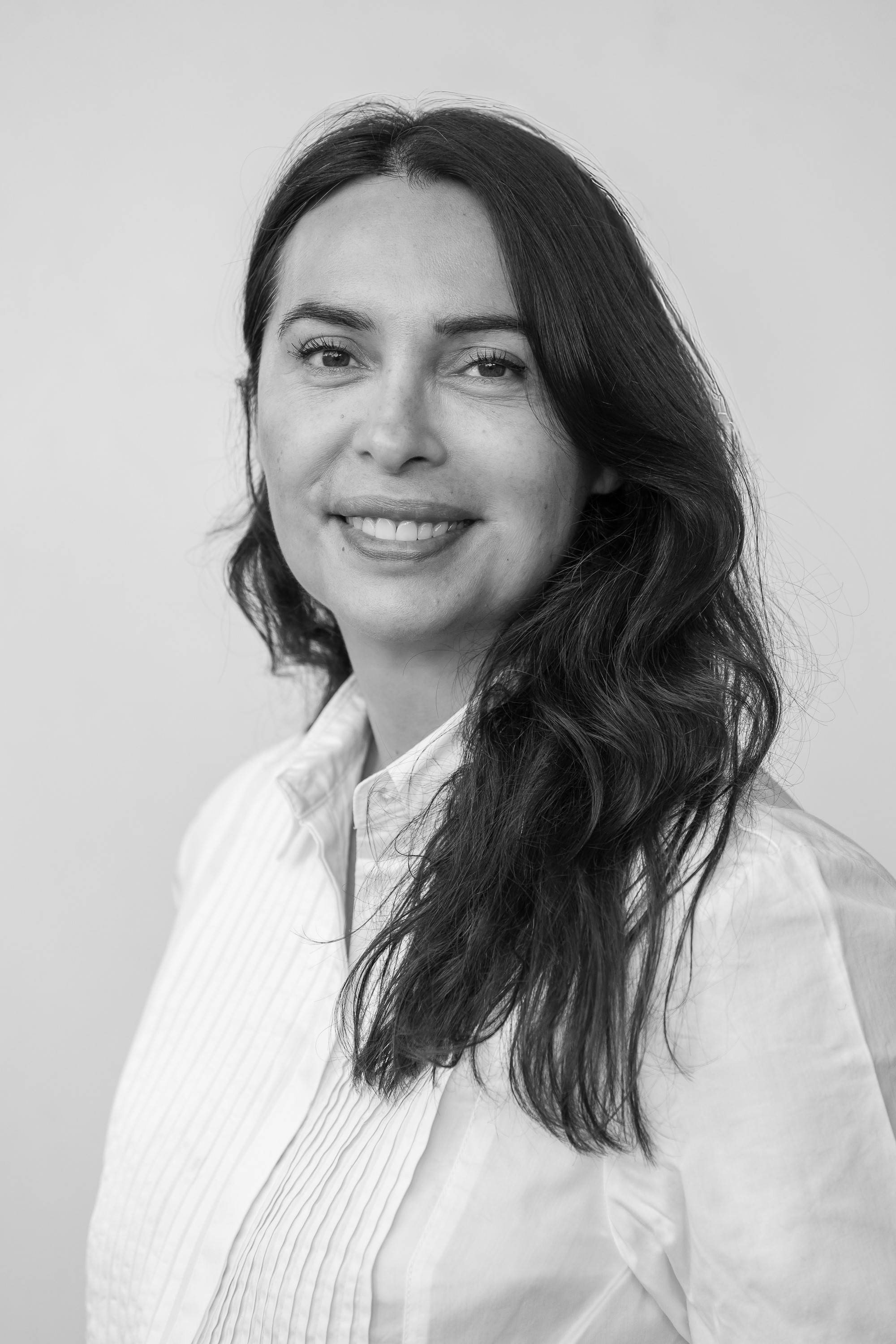
Claudia Gacitúa Meneses (Chile)
Claudia always declare her passion for wine and gastronomy in all its forms. Her recent work reframes “conscious consumption” as a pedagogical and communicational horizon—shifting responsible drinking from control to awareness.A broader question is: How can brands translate values, terroir, craftsmanship, sustainability, and cultural narratives, into experiences consumers can perceive instantly and are willing to pay for?
Q: What is “Conscious Consumption”?
C.G : Traditional “responsible drinking” has often been framed around behavioral control—how much to drink, when to drink, and how not to cross the line. The perspective I propose in my research is from control to awareness.
“Conscious consumption” invites people to understand the wine experience as a multisensory, situated, and embodied event—opening the senses to notice where aromas come from, how territory shapes the sip, the craftsmanship behind the wine, and the cultural narratives it carries.
“When we drink consciously, drinking becomes a way of engaging in dialogue with memory, identity, others, and the land. ”
Q: Does Younger generations value of moderation and clarity, weaken drive for meaningful wine experiences?
C.G : I see the Sober Curious movement as a cultural shift that shares similarities with the principles of conscious consumption. Both invite people to reflect on how, why, and when they drink, prioritizing presence, awareness, and emotional clarity over automatic or excessive consumption. It’s also a nuanced and evolving movement: some followers advocate zero alcohol, while others seek to reduce their intake without eliminating wine altogether.
“Wine culture can coexist harmoniously with this shift when we move the focus from quantity to quality of experience. “
By promoting slow tasting, sensory exploration, narrative depth, and genuine human connection, we can preserve wine’s pleasure and social dimensions while welcoming new forms of moderation and dialogue.
Q: Research shows that price and convenience still drive most purchase decisions. So why are “brand values” and “sustainability” so hard to translate into actual buying behavior?
C.G : The disconnect largely comes down to this: values tend to live in the symbolic realm, while purchasing decisions happen in the practical one. Bridging that gap means designing experiences that make those values tangible—not simply talking about them. One core issue is that wine is still marketed mainly as a consumer good competing on price, availability, and convenience. But wine isn’t just a commodity; it’s an experience —multisensory, cultural, and emotional. And it has to be lived by the consumer to be truly understood.
To reconcile intention and action, brands must translate sustainability, authenticity, and purpose into tangible sensory cues—textures, packaging that tells a story, evocative service rituals, meaningful human interactions, and storytelling moments that connect place, people, and memory. When values are experienced through the senses, they stop being abstract ideas and become emotionally binding.
Convenience itself can be meaningful. Making the sustainable or authentic choice the effortless one—through clear labeling, transparent messaging, and accessible formats—helps align consumer intention with actual behavior.
Authenticity is not a slogan. It is coherence. When what a brand declares resonates with what the consumer perceives, smells, tastes, and emotionally intuits, trust follows naturally. In other words, authenticity lives not in the message but in the experience—in the encounter between the wine and the person who drinks it.
Q: What gives wine its unique power as a medium for storytelling—especially compared with other cultural or sensory experiences such as food, music, or art?
C.G : Wine contains a profound paradox: it is both agricultural and cultural, both natural and crafted, both ephemeral and deeply memorable. It is one of the few products where place, time, and human intention coexist in the same sip. But what makes wine truly exceptional is that wine is alive. Its volatility—aromas that appear, transform, and disappear—creates a narrative arc: a beginning, a middle, and an end. This temporal dimension gives wine a dramaturgy that few cultural objects possess. Effective wine storytelling naturally leads to storydoing—inviting people not only to hear the story, but to live it: seeking tastings, visiting wineries, walking through vineyards, or sharing a communal table.
Q: What can wine professionals learn from gastronomy especially chefs in designing multisensory experiences that awaken memory and emotion?
C.G : Restaurants and culinary educators have long embraced the complexity of consumer experience — where context, culture, memory, and emotion converge to shape every bite. Wine can learn from this holistic approach. Gordon Shepherd’s neuroenology reframes wine tasting as a brain event. The glass holds liquid and the brain creates flavor — through perception, memory, cognition, and emotion intertwined.
Q: A pairing you’re proud of—one that captures story through memory, place, and feeling?
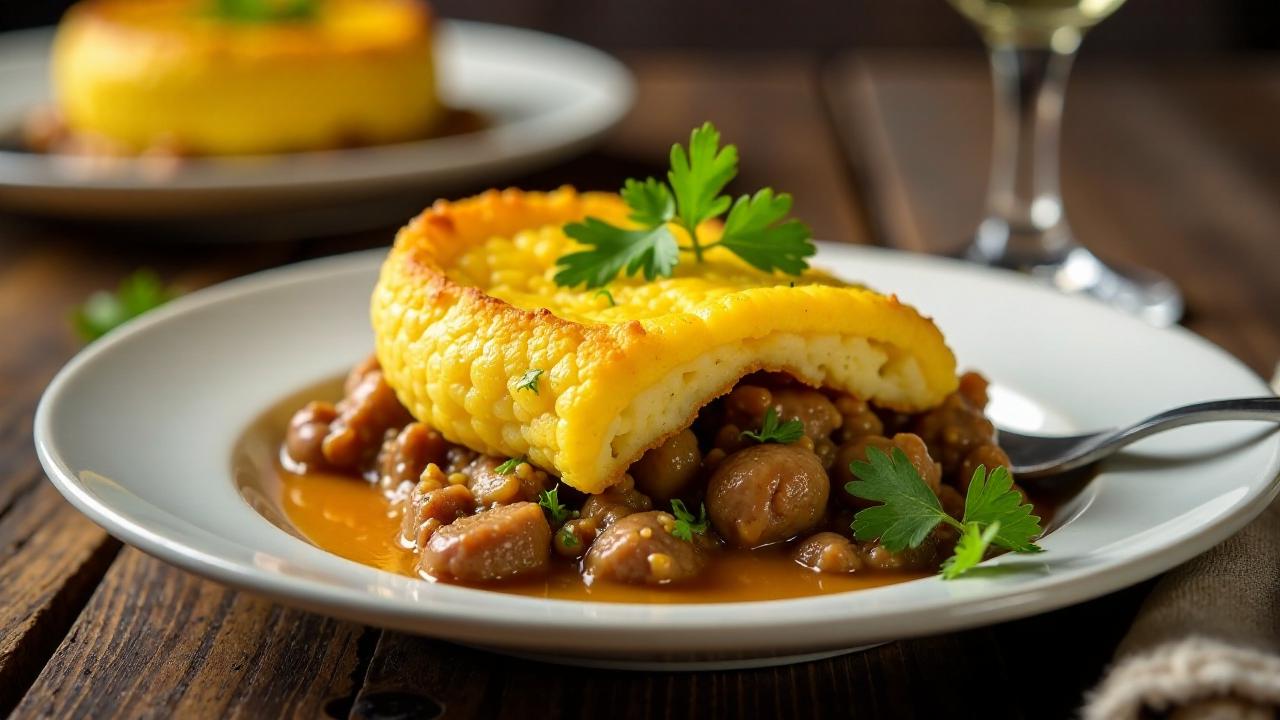
One of my favorite pairings is Carmenere with Pastel de Choclo, because it is not only a technical match but a profoundly emotional one.
Pastel de choclo lives in the collective memory of Chile: family tables, long summer lunches, childhood kitchens… every element carries the warmth, brightness, and celebratory spirit of the Chilean summer. Carmenere, meanwhile, holds a national narrative of rediscovery, identity, and belonging. When paired with pastel de choclo, their stories interlace through memory, emotion, and sensory harmony: a traditional Chilean dish meeting a country’s emblematic grape variety. For me, it is a synthesis of memory, season, place, and feeling—an experience not only tasted, but also lived, remembered, and deeply felt.
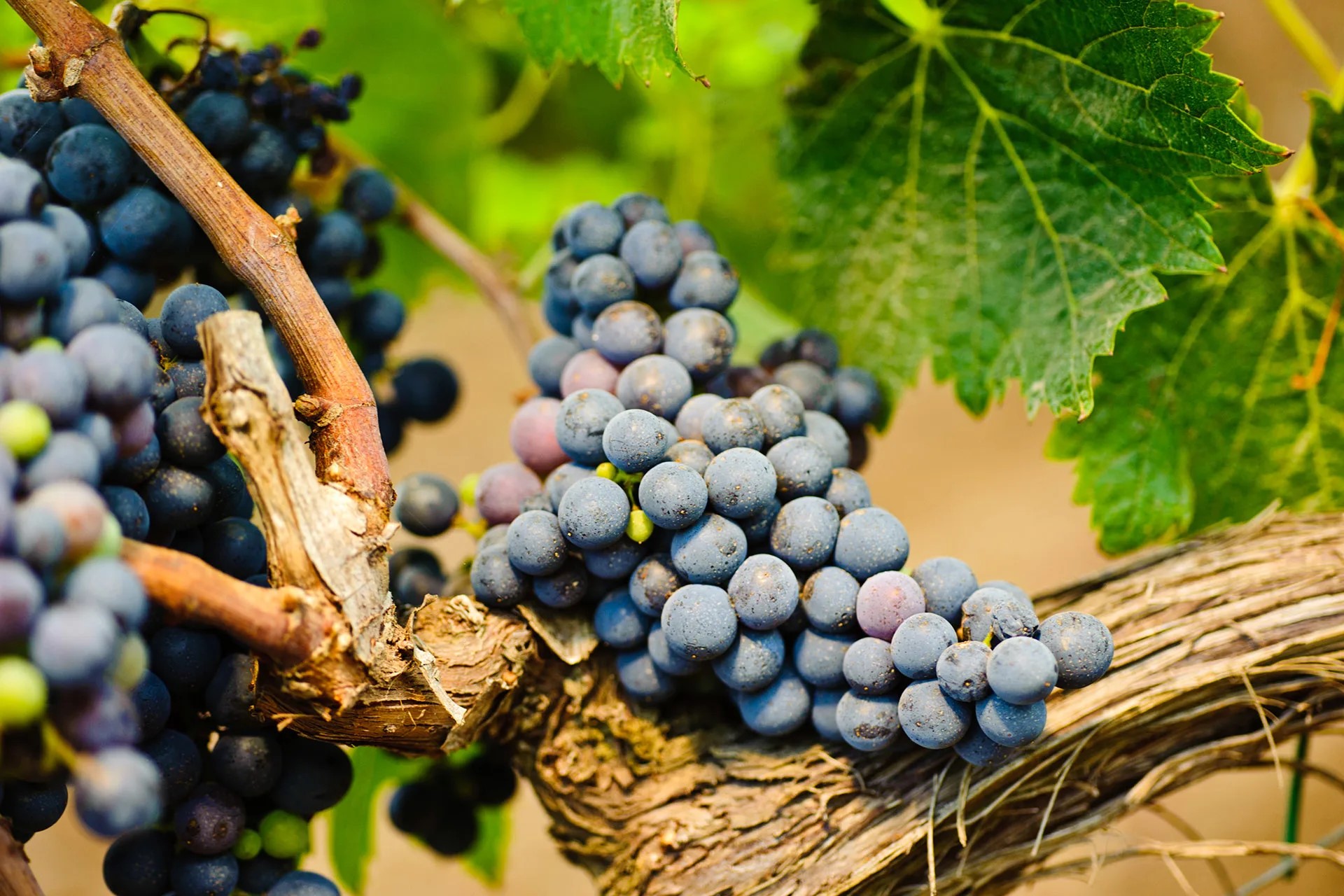
* Carménère was once significant in Bordeaux, later largely “lost” through disease and replanting. Long mistaken for Merlot in Chile, it was re-identified in the 1990s—recovering its name and, in Chile’s climate, finding a distinctive voice and a symbolic “homecoming.”
Q: Has women’s growing participation changed wine’s language, service, and community-building?
C.G : Women are transforming not only the workforce but also the narratives, values, and cultural foundations of the wine world. Their growing presence has brought new forms of leadership, more collaborative work dynamics, and a richer, more human-centered approach to communication and community building.
However, the industry remains predominantly male—especially in positions of influence. Women still have low participation in strategic decision-making roles, and the gender pay gap remains significant. According to the World Economic Forum, full gender parity will not be achieved until 2158. In wine terms, that means 134 harvests before reaching true equality. And this is precisely why visibility matters: these realities must be named, measured, and addressed.
Q: Looking ahead, what kind of “wine understanding” should the next generation cultivate?
C.G : I hope the next generation recognizes wine not only as a product, but as an experience shaped by context—inseparable from the place where it is grown, the people who produce it, the culture that gives it meaning, and the moment in which it is shared. Understanding wine means understanding the landscape, the climate, the history, the rituals, the table, and the community surrounding it.
To work in wine requires passion—but also a deep vocation for service. We are not merely teaching grape varieties or regions; we are crafting and delivering memorable experiences. Our role is to guide people toward awareness, connection, and emotion. Above all, I hope future generations cultivate the ability to understand wine not just with the palate, but with the mind, the memory, the body, and the heart.
Shen Pao, 309 Hankou Road, SHANGHAI 200001, CHINA
+86 (021)63600188
winwsa@indigoasie.com