2020 官网升级中!现在您访问官网的浏览器设备分辨率宽度低于1280px请使用高分辨率宽度访问。

Latest News
From George Clooney’s billion-dollar tequila exit to Brad Pitt’s Oscar-winning rosé, Celebrities from musicians to athletes have launching their own drinks labels.
What makes 2025 different is the backdrop:Global drinks sales are softening. And yet, celebrity brands are still flooding in. So the question is: in a slowing market, if they can still move the needle. And Is the celebrity drinks business a sustainable market segment, or merely short-lived hype?
A close look at 2025’s celebrity drink offerings reveals a few telling clues.
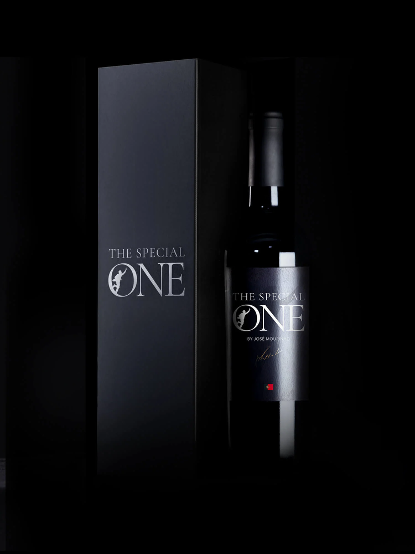
The legendary football manager translated his iconic “Special One” persona into a premium Douro red wine priced at €144 per bottle. This launch bypassed mass appeal, targeting high-end gift-giving and celebratory occasions, positioning the wine as a trophy of shared success.
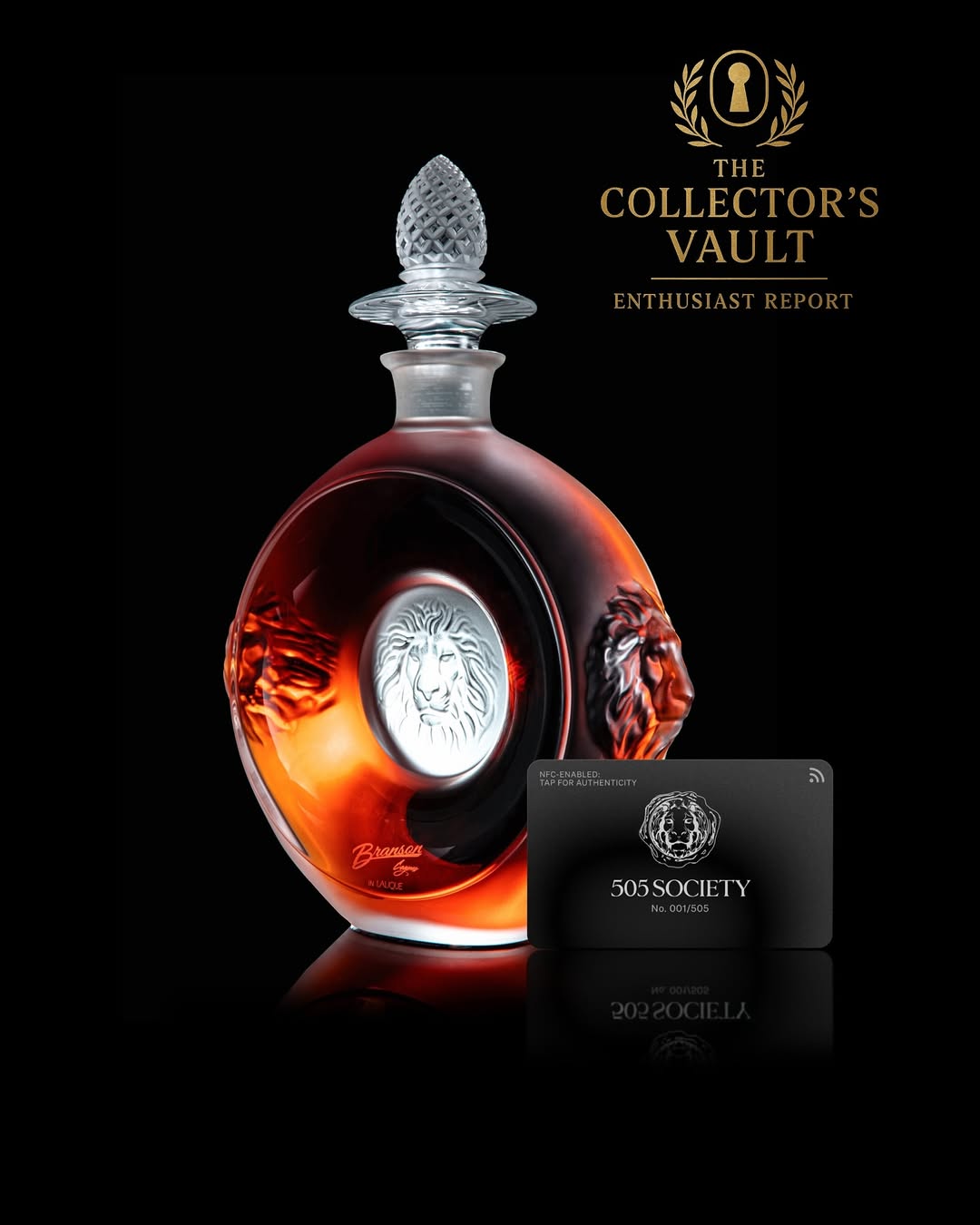 Rapper 50 Cent (Curtis Jackson) has partnered with Lalique to launch an ultra-luxury cognac, “Branson Cognac 505 Edition.” with just 505 bottles released.
The emerging Branson Cognac has reached the industry’s top tier. And its V.S.O.P Grande Champagne has won top awards, including being named “Cognac of the Year 2025” by The Enthusiast Report, outperforming heritage brands like Hennessy.
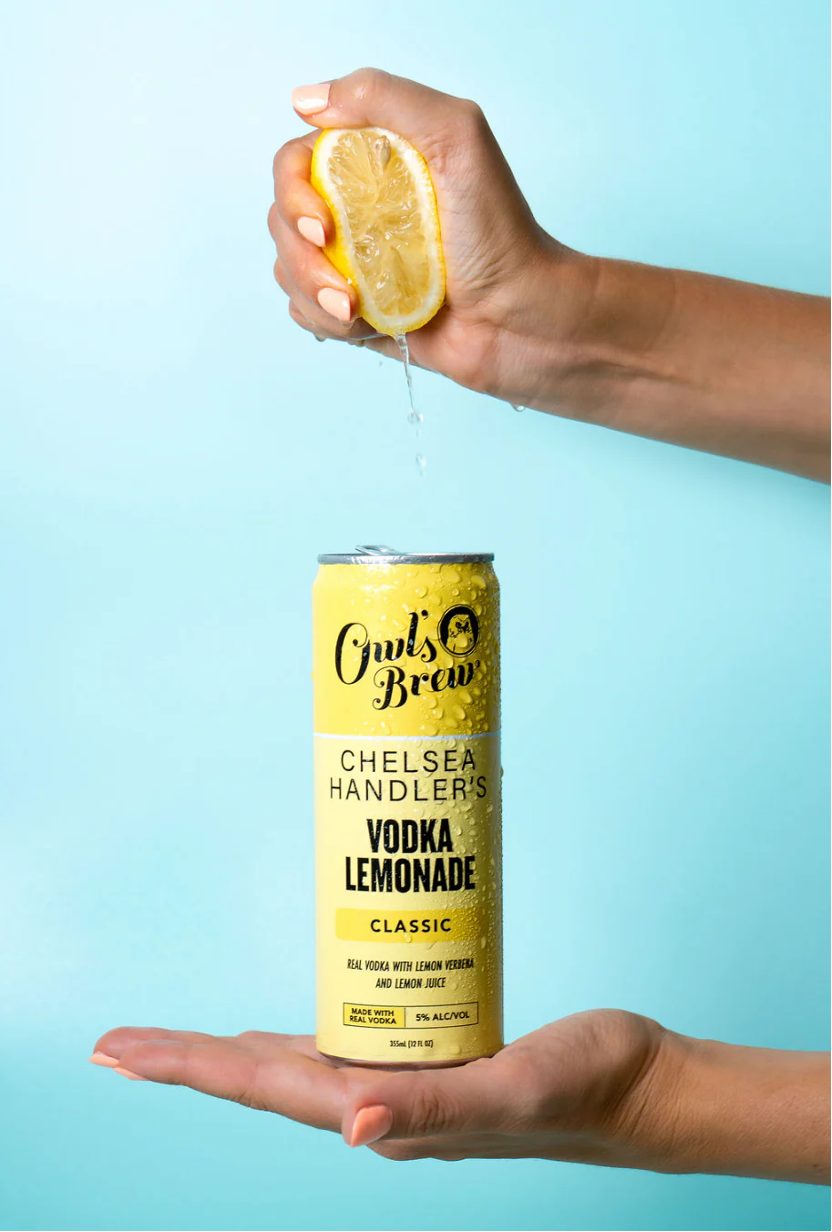 Partnering with wellness-centric brand Owl’s Brew, the comedian launched
a line of vodka-based RTD beverages marketed as “grown-up lemonade.” This move expertly captured the booming demand for refreshing, low-sugar, and fun RTDs.
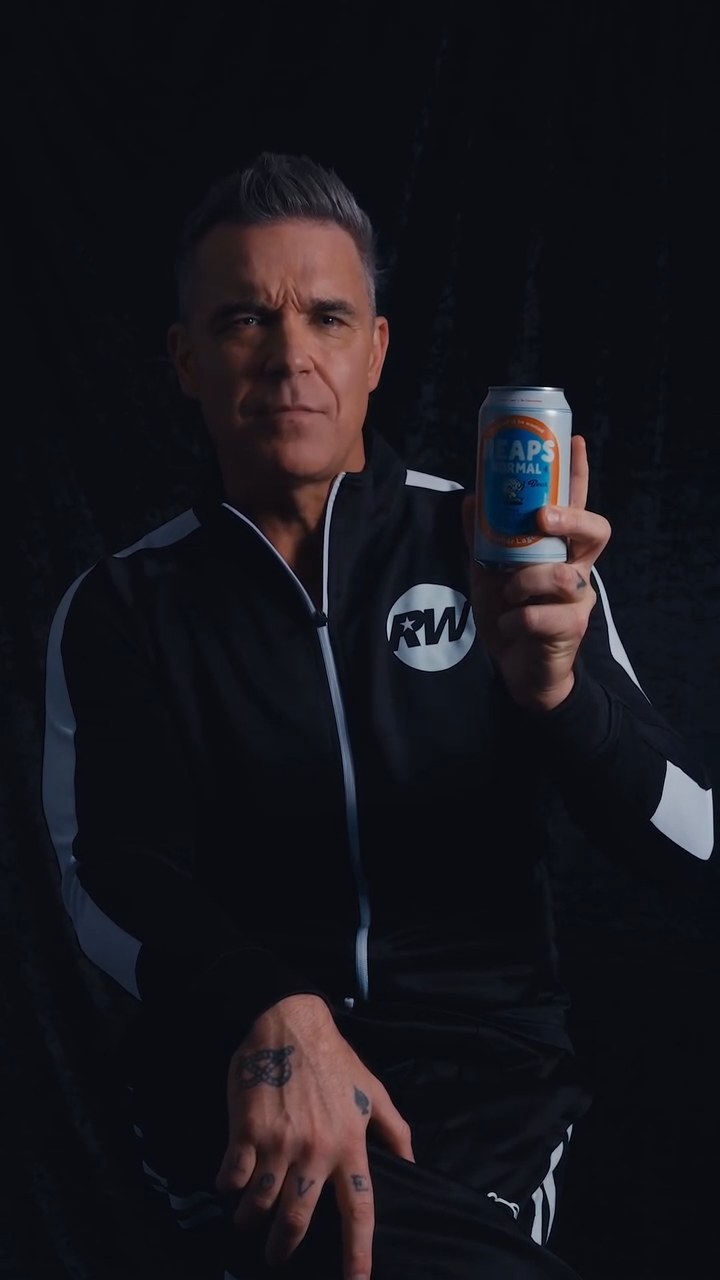 Singer Robbie Williams has invested in the non-alcoholic beer brand Heaps Normal,
aligning with its mindful drinking mission as a two-decade teetotaler. He is actively supporting its global expansion.
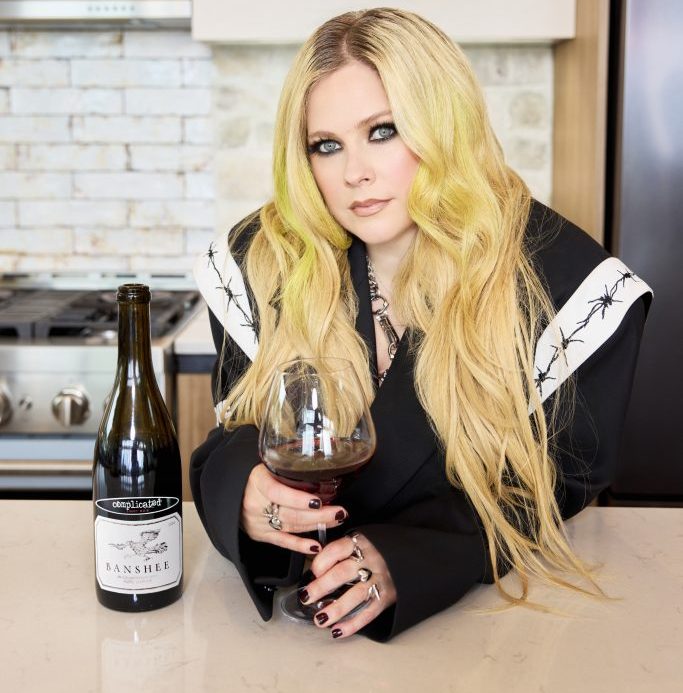 Singer Avril Lavigne has launched a limited-edition Pinot Noir, “Complicated,” with California’s Banshee Wines, strictly limited to 100 cases. The wine, named for her hit song, offers aromas of cherry, raspberry, and clove spice.
The partnership highlights the winery’s strong reputation, including its award-winning, cool-climate Sonoma Pinot Noir
The beverage itself has become a potent medium for the star’s identity. Every element—from ABV and flavor to the name on the label—is a coded expression of personal philosophy. Value derives not from whose name is on the bottle, but from the unique story and cultural experience it promises.
US comedian Chelsea Handler described her RTD drinks as “an adult lemonade stand in a can,” channeling her rebellious humor. Avril Lavigne’s “Complicated” Pinot Noir transforms her music IP into a shareable nostalgic experience
The success of celebrity drinks now hinges on targeted connections. Celebrity drink brands leverage fame to cultivate loyal, niche, and mainstream fanbases, often achieving rapid success through social media marketing and perceived authenticity.
Research suggests consumers pay a 73% premium for these brands, buying into a shared identity. The drink becomes a “cultural token” within the community, fostering loyalty that traditional marketing cannot buy.
This path of community-driven expansion offers the industry a powerful new growth paradigm: succeeding not through greater volume, but through deeper connection to build lasting value.
Celebrity influence acts as a powerful catalyst, propelling niche industry trends into the mainstream spotlight.
Kylie Minogue Wines, with global sales surpassing 25 million bottles, is a prime example of this phenomenon, having expertly captured the dual consumer waves of “mindful drinking” and brand rejuvenation.Its sparkling offerings alone have driven one-third of the market growth in the low/no wine category over the past two years, perfectly meeting the modern demand for refreshing, low-commitment alternatives. 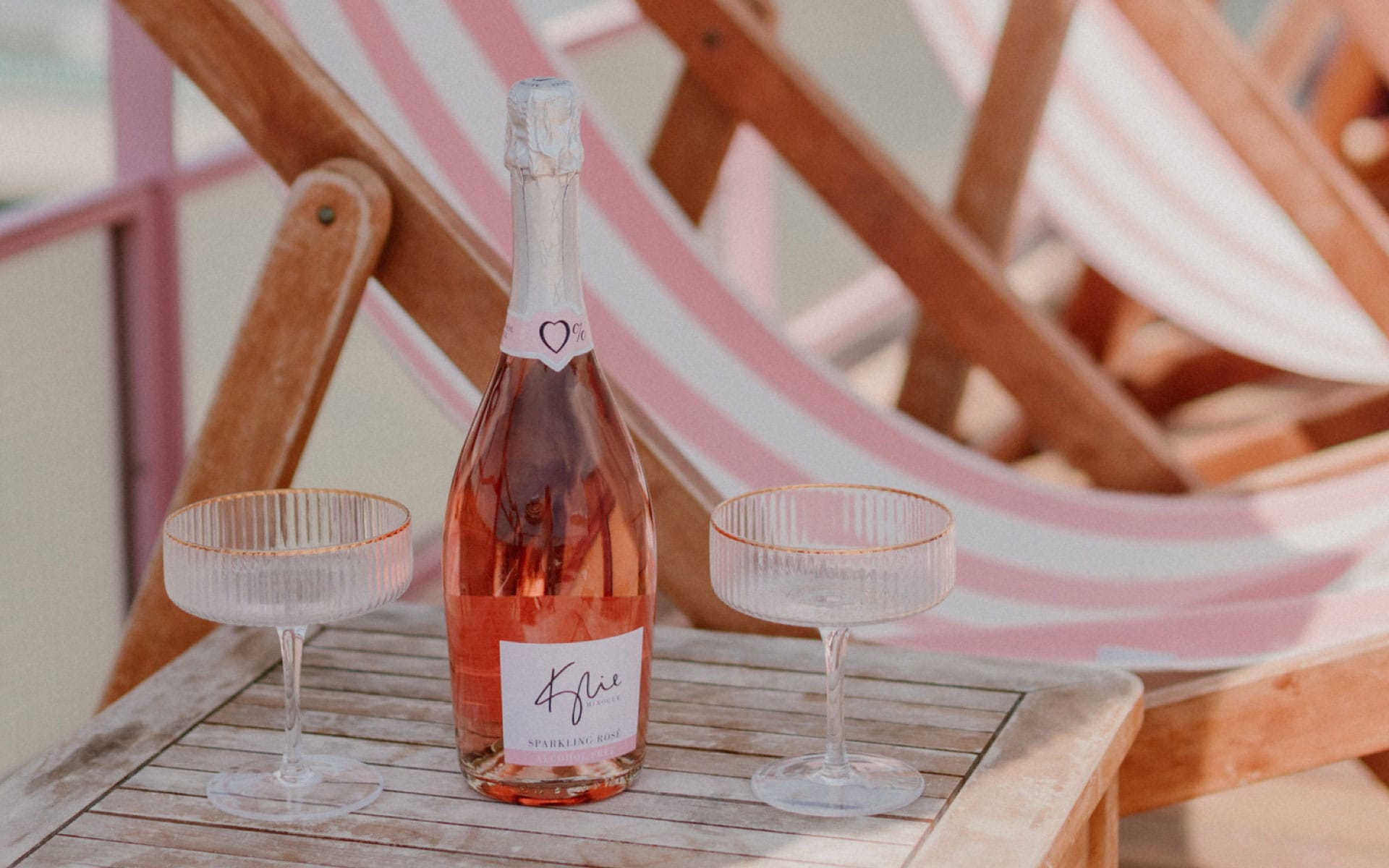
The consumer response has been extraordinary: one non-alcoholic sparkling rosé sold over 147,000 bottles in its first 12 weeks, hitting a peak sales rate of one bottle every 10s during the holiday season.
– Celebrity Drinks Equal Better Sales?
In the short term, celebrity-backed beverage brands consistently capture immediate attention and command premium pricing. Analysis indicates consumers are willing to pay an average premium of over 70% for these products. This price lift stems primarily from from emotional resonance, identity signaling, and social currency.
Across many beverage sub-categories, star-powered labels outperform the market average. The “halo effect” is most potent in tequila. In 2022, celebrity tequila brands ignited the market with a staggering 40% growth rate, dramatically outpacing the category’s overall 13% increase. Even as growth moderated in 2023, these brands sustained formidable momentum, expanding by 16%—more than five times the segment’s modest 3% gain.
– Can Fandom Build a Legacy Brand?
IWSR research indicates that celebrity spirits’ growth comes mainly from consumers switching brands. A famous name is no longer a reliable guarantee for maintaining price premiums or securing stable shelf space. Alibaba also states that star power cannot bring repeat purchase loyalty, supply chain stability, and intrinsic product credibility.
– Hidden Risks and Reputational Exposure
Any personal scandal, controversy, or shift in public opinion about the celebrity immediately transfers to the brand.
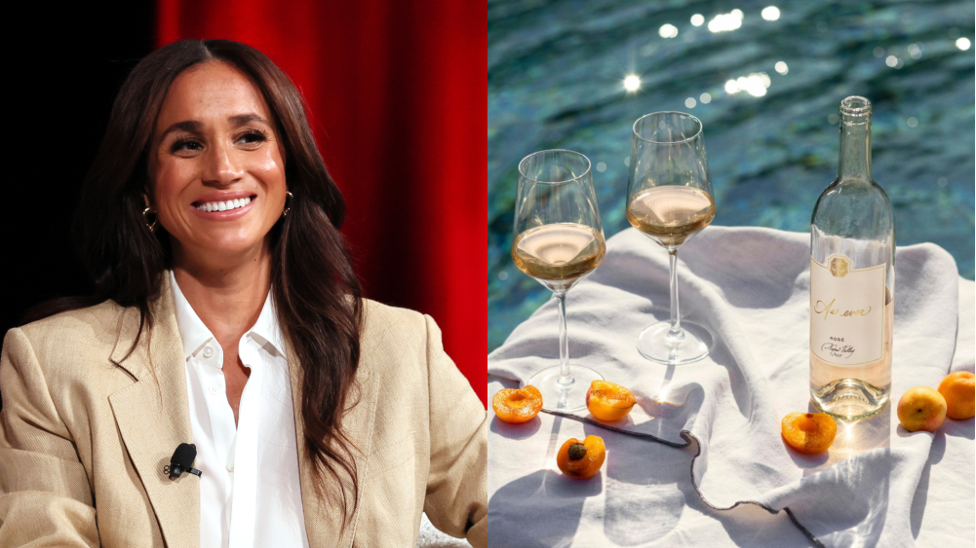
The Duchess of Sussex’s wine launch in 2025 was immediately clouded by controversy over its origin (labeled Napa, produced in Sonoma) and allegations of being “finished wine.” This ignited a foundational trust crisis for the fledgling brand, proving that any crack in a celebrity’s credibility swiftly translates into a direct and fundamental question about the product’s quality and integrity.
What comes next : The path to enduring value
Celebrity-backed brands inject fresh energy and cultural relevance into the drinks category. However, whether consumers keep paying for the celebrity – backed products comes down to authenticity, category momentum, and fit with what people actually want to drink. Fame opens the door. It doesn’t keep the lights on.
Shen Pao, 309 Hankou Road, SHANGHAI 200001, CHINA
+86 (021)63600188
winwsa@indigoasie.com