2020 官网升级中!现在您访问官网的浏览器设备分辨率宽度低于1280px请使用高分辨率宽度访问。

Latest News
Why are the World’s Bestbars beginning to treatcocktails like dishes?
With a deeply local Thai menu, Bar Us has won international attention and rose to No. 4 on Asia’s 50 Best Bars 2025. The “main course”section in menu, featuring food-ingredients like guava leaf, green chili, and lime, brings a distinctively culinary, flavor-forward drinking style into focus.
Bartenders are thinking likechefs, building drinks around flavour structure, texture,garnish and cultural narrative. 2026 marks a shift – away from minimalism as sophistication, toward expressive, immersive maximalism. What does that look like in practice? And how are the world’s best bars redefining maximalism as creative, not excessive?
Bacardi named More Is More Mixology as one of the defining movements in 2026, noting that 76% of consumers value amplified, memorable cocktail experiences. 50 Best has also observed that garnishes and serves at top bars around the world are moving decisively toward edible maximalism. Today’s maximalist cocktail is the industry’s attempt to elevate a drink from something merely consumed into a complete experience, through more theatrical presentation, bolder garnish design, richer textural layering, multi-sensory cues, and a clearer sense of story.
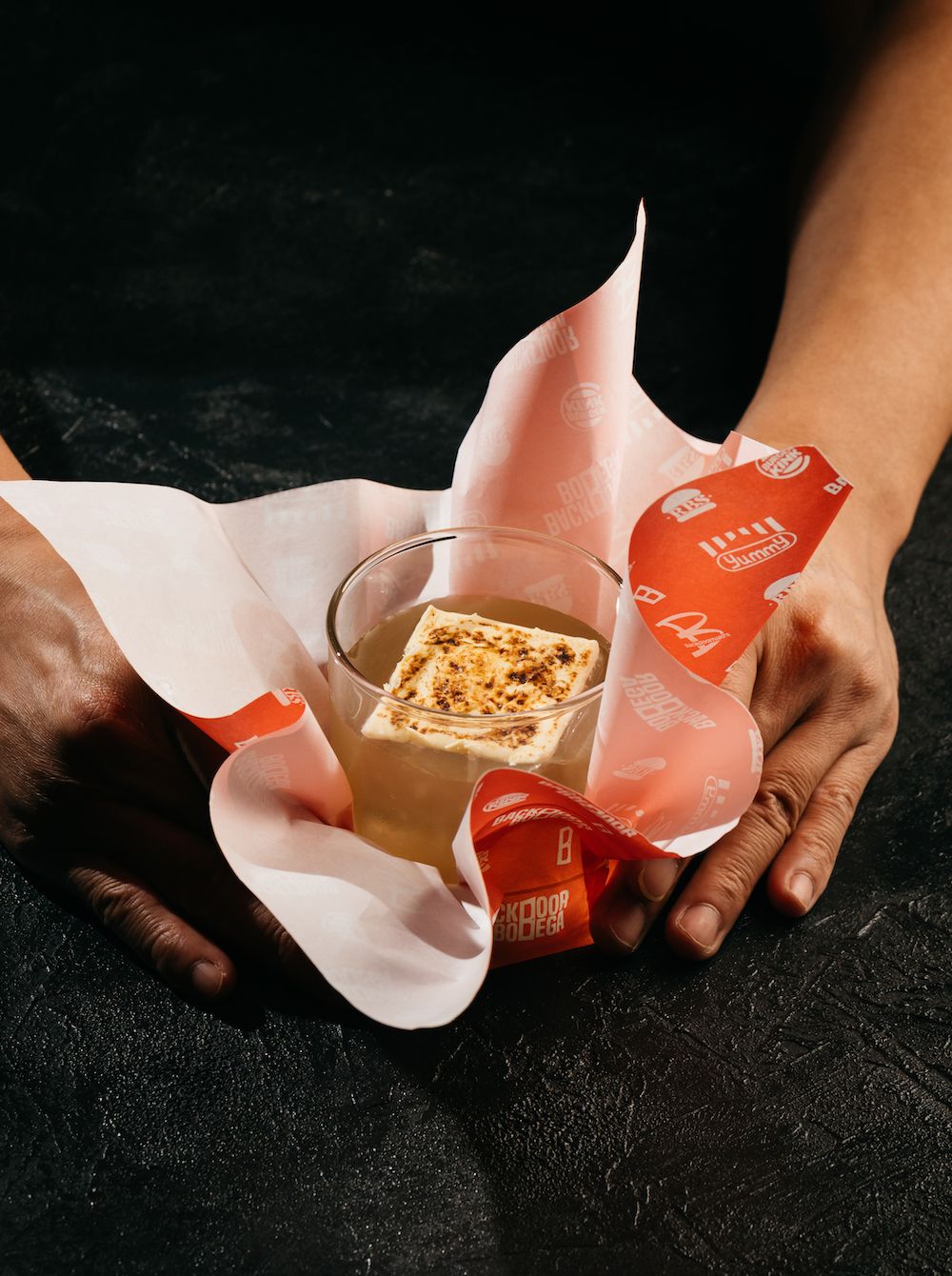
Backdoor Bodega’s R.B.S. (Ramly Burger Special) is a perfect example. Inspired by Malaysia’s iconic Ramly burger, the drink channels the flavor logic of the dish and extends the idea through presentation, echoing the paper-wrapped familiarity of the original. The guest is invited into the feeling of walking through the city at night with a burger in hand. That combination of flavor, context, and memory is precisely what makes the drink so compelling.
In its interviews with bartenders about the flavors set to define 2026, VinePair found that ingredients with strong culinary associations—nori, ferments, chili, cheese, and more—are increasingly seen as key sources of the next wave of flavor innovation. The focus is shifting away from traditional sweetness, acidity, and fruit toward umami, herbs, fermentation, and texture.
Savory cocktails create a denser, more expressive space for local flavor and cultural memory. They compress a city’s street food, kitchen aromas, regional ingredients, and dining habits into the pathway of a single sip. The approach is especially visible at leading bars across Asia.
1. Memories of Penang
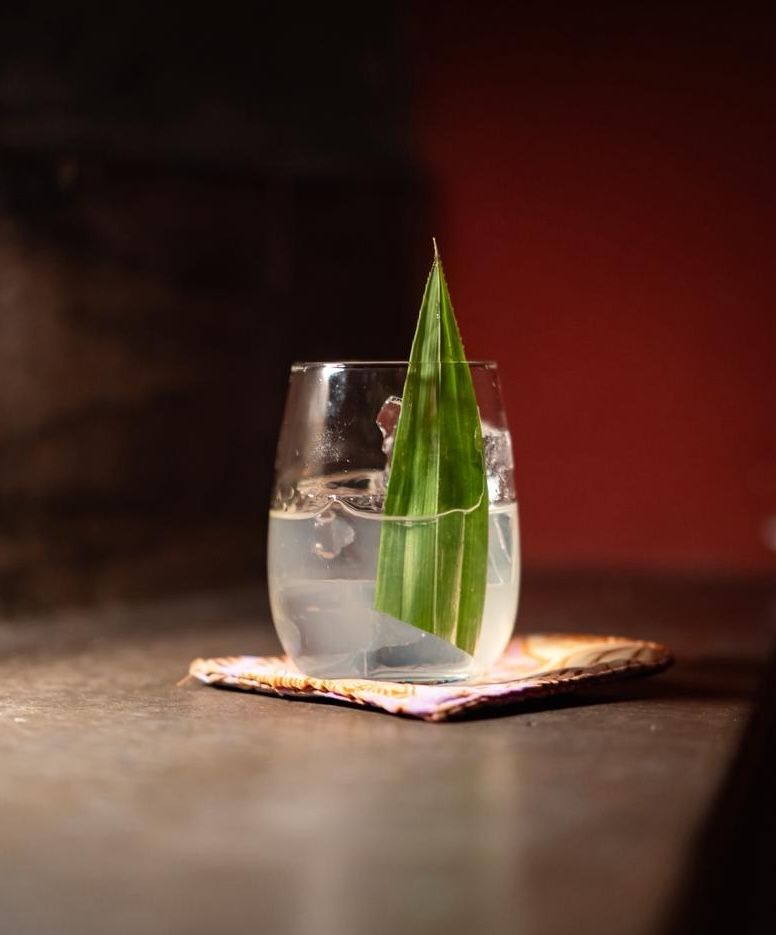
Backdoor Bodega became one of 2025’s most talked-about bars by turning Penang’s street-food culture into a globally recognised cocktail menu, winning Best Cocktail Menu at both Asia’s 50 Best Bars and The World’s 50 Best Bars. Drawing on ingredients such as coconut sambal, bamboo, pandan and soy sauce apple, the bar translated the city’s umami, fermentation and flavour memory into drinks that felt less like serves and more like edible storytelling.
2. A Delicated Balance of Flavor
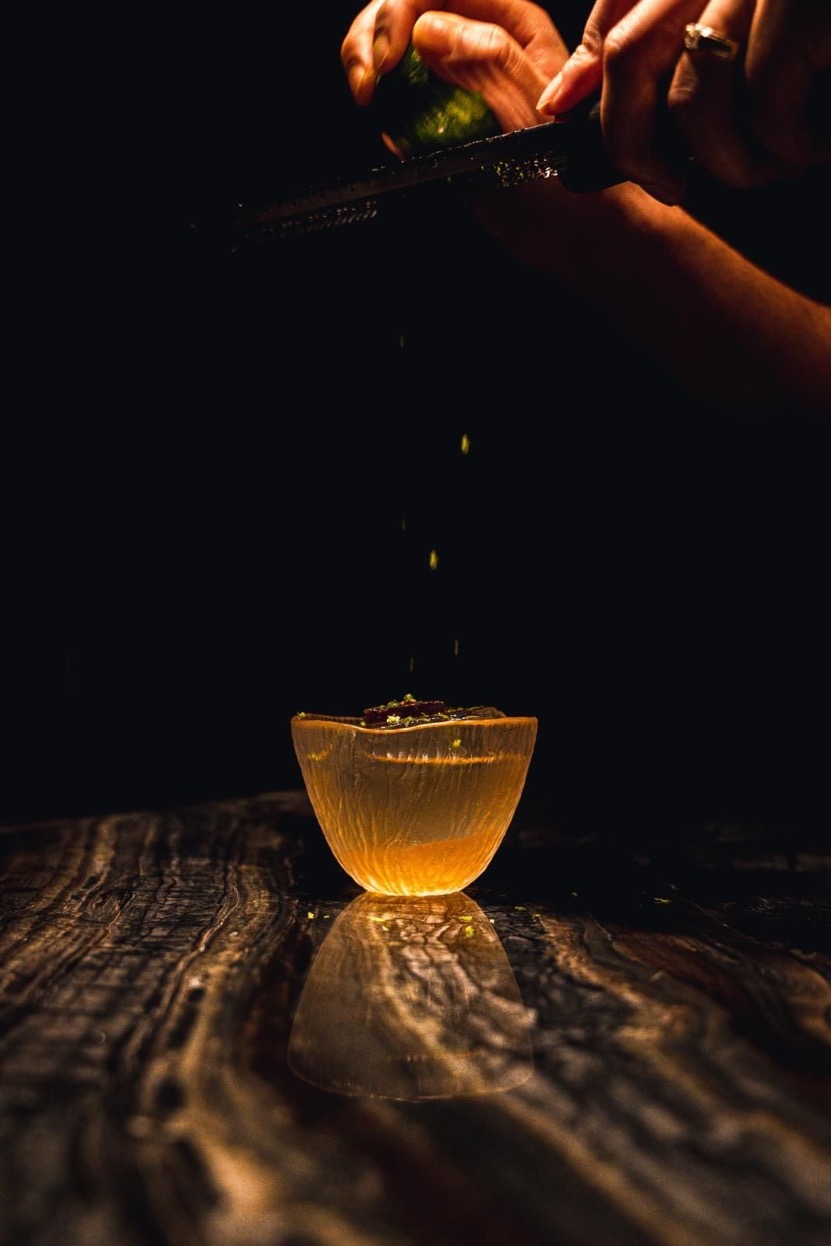
The Savory Project is best known for building its identity around the idea of the savory cocktail. It folds whole dishes into drinks, from spice-laden biryani to bright, refreshing Thai beef salad, creating a striking new form of dish-like cocktail expression.
3. The Subtle Savory Touch
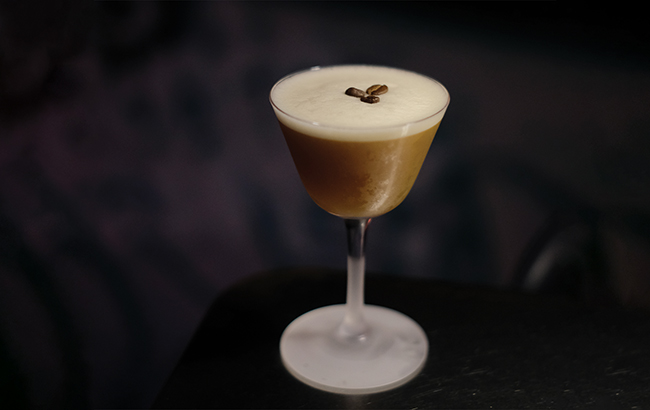 Long committed to working from local ingredients while embracing more forward-looking cocktail techniques, Hope & Sesame continues to explore and reframe a distinctly southern Chinese cocktail language. One of its most representative drinks, 50/50 Sour, offers a subtler, more approachable savory profile. Its defining touch is the chickpea-water foam layered on top, which contributes a gentle savory edge while adding complexity to the overall drink.
Another key pathway within maximalist cocktails is the rewriting of the garnish’s role. From crisp chicken skin to edible clouds, many bars now treat garnish as part of both flavor construction and memorability. At top bars, garnish reinforces both the visual theme and texture to help complete the drink’s multi-sensory intent. It may contribute crispness, chew, fat, or smoke. It may also act as a cultural marker, signaling a specific local ingredient or reference point.
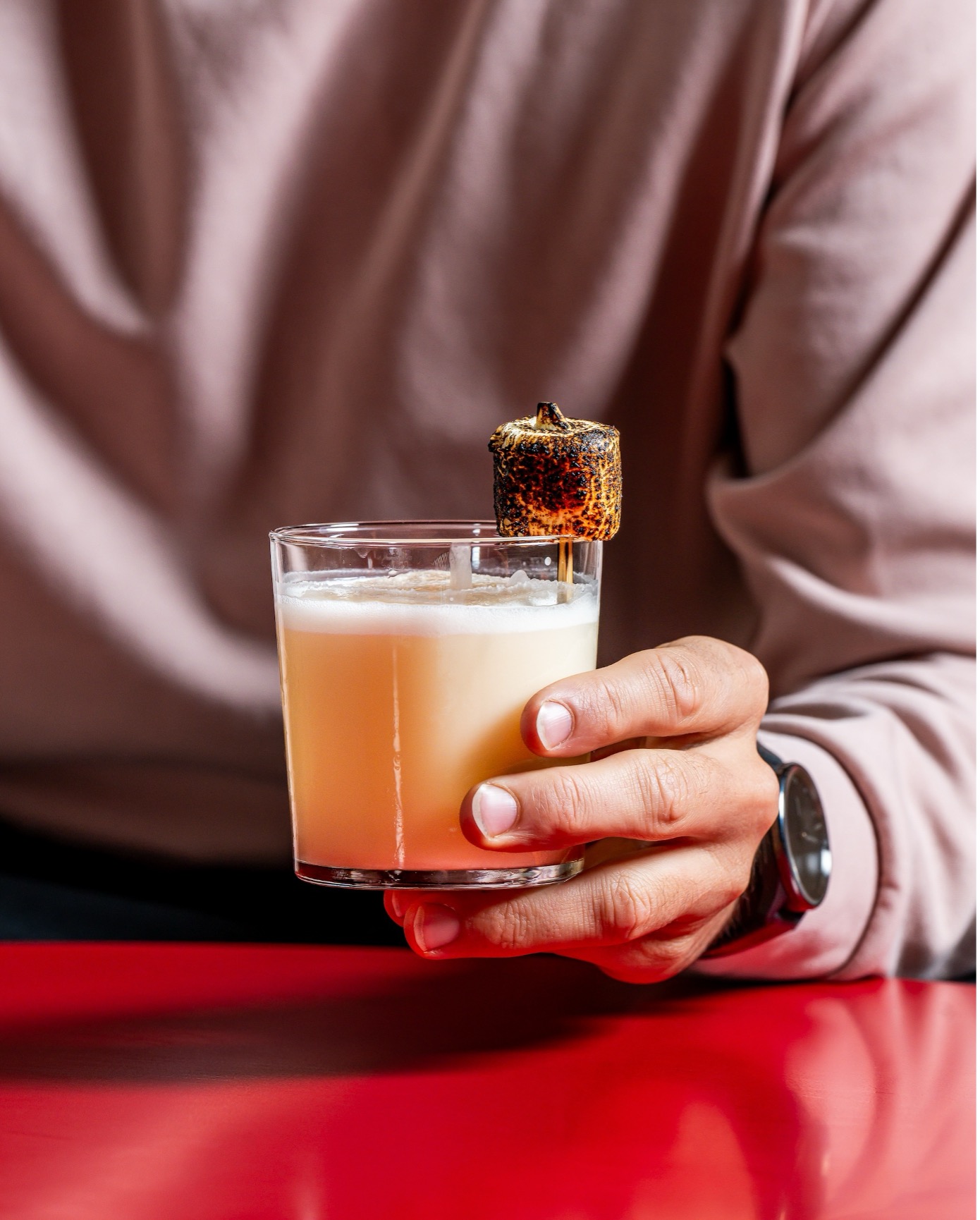 “Koji Hardshake” at Seed Library, London.
Known for its edible garnishes, the cocktail is finished with truffle oil drizzled over a toasted marshmallow, a pairing widely praised for its perfect harmony with the drink.
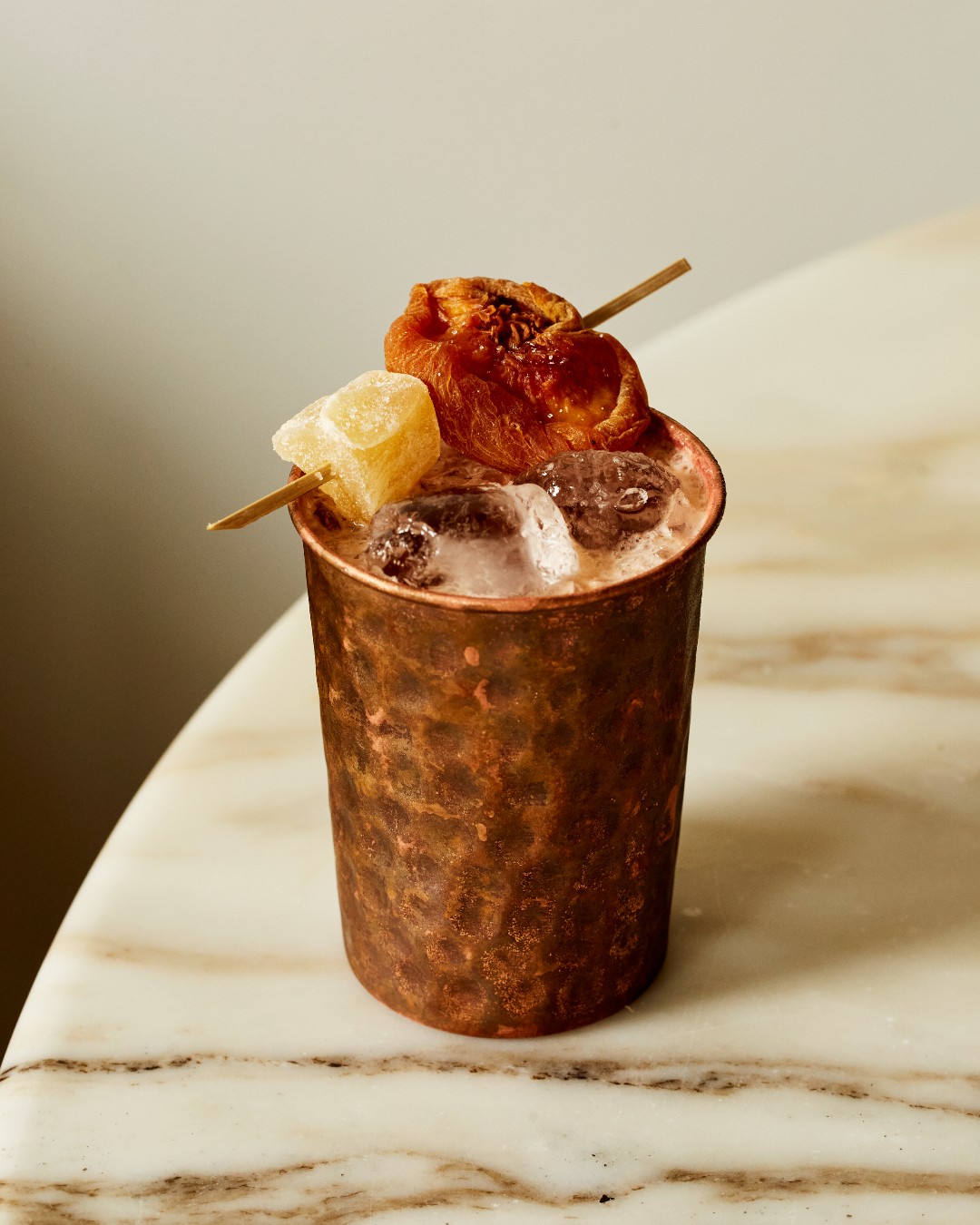 “Rihlet Qassab al Sukka” at London’s Akub.
It is the signature cocktail at Akub in London. Topped with dried apricot and ginger, it subtly echoes the history of sugar cane’s movement across regions and cultures.
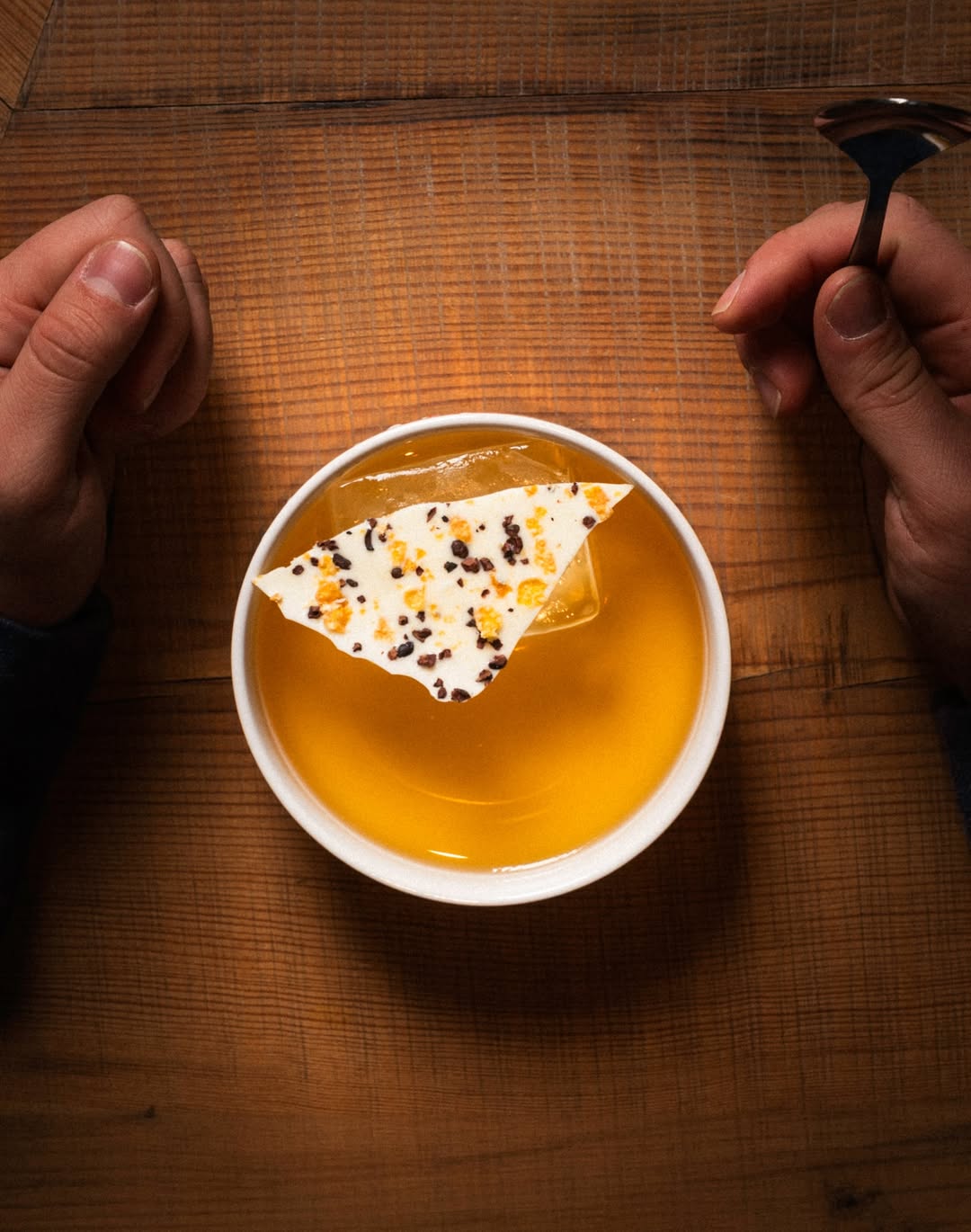 “Tajimi” at Tokyo Confidential, Tokyo .
Topped with a custom white chocolate corn cereal, the glass rim is finished with a blend of chili powder, shichimi togarashi, and insect salt — adding layered complexity to every sip.
However, the question of sustainability comes into sharper focus. At a recent Tales of the Cocktail seminar, Callum Fraser, brand ambassador for zero-waste spirits brand Discarded Spirits Co. shared a striking statistic: the carbon footprint generated by one kilogram of lemon garnish—roughly eight lemons—is roughly equivalent to the emissions from a 20-minute car ride. As cocktails become more visual and more experiential, do they also become more wasteful?
That is why garnish now needs to do more than look good. Food & Wine has argued that the garnish that matters today must enhance aroma, flavor, and narrative all at once. Even within maximalism, garnish still needs to be governed by restraint. Therefore, The most compelling version of the trend is the one that manages to combine complex presentation with a low-waste system.
The cocktail trends taking shape in 2026 are worth documenting. From the menus of the world’s leading bars, it is clear that savory cocktails and snack-like garnishes are turning the drink into something more culinary, more immersive, and more shareable. They are also helping turn bars into spaces where ideas collide and pleasure is consciously staged.
When a cocktail tastes like a dish, reads like a menu, and is remembered like a journey through a city’s flavors, drinking becomes the kind of maximalist sensory experience contemporary consumers increasingly crave. This may not be the path every bar should follow. But it may well be one of the clearest ways premium cocktails can capture the imagination of the next generation in the years ahead.
Shen Pao, 309 Hankou Road, SHANGHAI 200001, CHINA
+86 (021)63600188
winwsa@indigoasie.com