2020 官网升级中!现在您访问官网的浏览器设备分辨率宽度低于1280px请使用高分辨率宽度访问。

Latest News
Lighter drinking among Gen Z is reshaping the outlook for the alcohol industry.
Berenberg research shows Gen Z consumes around 20% less alcohol per capita than Millennials, who already drink less than previous generations. In the UK, Drinkaware reports that up to 90% of drinkers are actively moderating their consumption, with the trend accelerating.
Against this backdrop, the question arises: is alcohol entering structural decline? The Sober Curious movement points to a more nuanced shift—one that is redefining consumer relationships with alcohol and creating a new competitive frontier beyond traditional category boundaries.
I. What Is the Sober Curious Movement?
The term Sober Curious was coined by British journalist and author Ruby Warrington, who introduced it in her 2018 book of the same name. Her central idea was not abstinence, but awareness: encouraging people to examine their relationship with alcohol in order to live better, more intentional lives.
At its core, Sober Curious represents a shift in mindset. It asks consumers to pause before each drinking occasion—to question impulse, social pressure and habit—without demanding total sobriety. Alcohol is no longer accepted by default, but evaluated consciously.
“Sober curious people are those starting to question their relationship with alcohol and considering whether they might want to change it. Mindful drinkers are actively experimenting—or taking steps after reflection.”
—— Laura Willoughby,Founder of Club Soda
If Sober Curious represents a shift in awareness, mindful drinking is its practical expression. As drinking moves from escapism toward presence and intention, the industry is being forced to reconsider how it engages consumer interest, loyalty and advocacy.
II. Who Is Driving the Change?
Across markets, Gen Z and Millennials are at the forefront of the post-alcohol mindset. Data from Bernstein shows global per capita alcohol consumption has been declining steadily for over a decade. In the US, 65% of Gen Z consumers plan to reduce drinking in 2025, while 39% intend not to drink at all. Meanwhile, NIQ reports that 54% of UK consumers are actively moderating alcohol intake.
Two structural factors underpin this shift:
– Health-first thinking
Raised in an era of information transparency, younger consumers view alcohol as a substance to be managed rather than indulged in freely. Their understanding of health extends beyond physical performance to mental wellbeing. For many Gen Z consumers, alcohol is no longer seen as a solution to stress or a “bad day,” but often as a contributor to anxiety, poor sleep and reduced emotional balance.
– A reconfigured social landscape
Traditional adult social spaces were historically alcohol-centred. For Gen Z, social life unfolds across both digital and physical environments—gaming, online communities and social media—where alcohol plays a far less central role. Structurally, this reduces alcohol’s importance as a social lubricant.
Perhaps the most significant impact of the Sober Curious movement is its validation of the “middle” consumer.
Historically, drinking culture divided people into binary categories: normal drinkers or problem drinkers. This left many moderate consumers—those experiencing poor sleep, anxiety or fatigue—feeling excluded or stigmatised.
Sober Curious reframes lighter drinking as a positive lifestyle choice, rather than a failure of will or enjoyment. It offers a model where consumers can retain the social pleasure of drinking while maintaining healthier rhythms—better sleep, clearer thinking and greater control.
III. New Opportunities for the Global Drinks Industry
As moderation becomes mainstream, consumers are actively adjusting—not abandoning—their drinking behaviour.
Data shows that 82% of no-alcohol drinkers also purchase alcoholic beverages, reinforcing that this is not an either/or choice. According to IWSR, while some markets have seen volume softening, underlying consumer demand remains resilient. Consumers are increasingly switching between alcoholic and non-alcoholic options depending on occasion.
Against this backdrop, the industry’s evolution path is becoming clear:
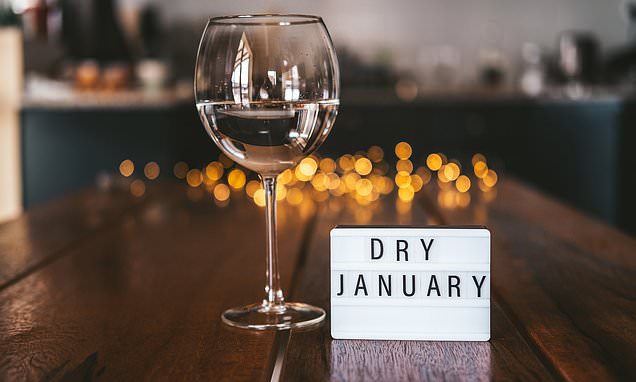
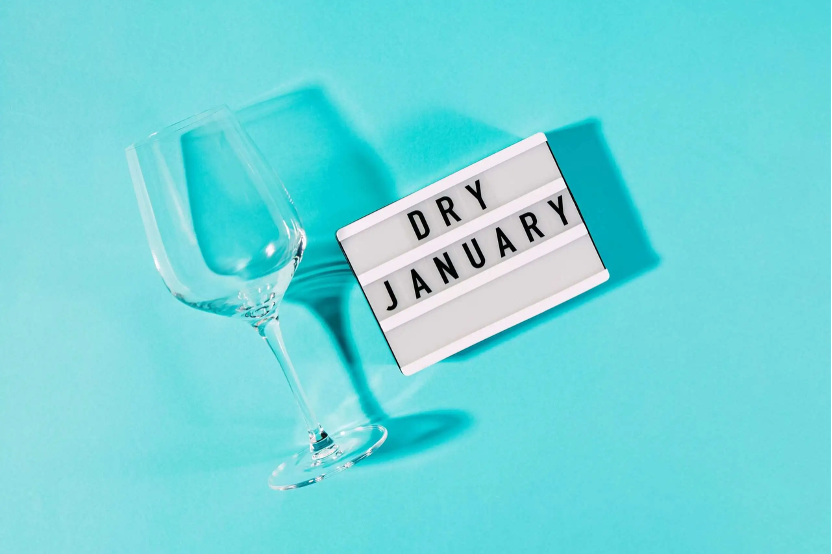
The growth of initiatives like Dry January has accelerated demand for low- and no-alcohol (NOLO) drinks. Mintel forecasts that between 2024 and 2029, the UK retail value of low/no alcohol drinks will grow 55.7%, reaching £592 million. In on-trade settings, the shift is already visible: London’s Sexy Fish reports that 35% of cocktail sales are non-alcoholic.
As noted by Chinese trade media, the industry has moved from defensive concern to proactive investment, with nearly all major drinks companies now offering low- or no-alcohol alternatives.
Specialist retailers and sober bars—including The Zero Co in Atlanta—signal that NOLO has moved beyond impulse consumption into home stocking, completing a full commercial loop.
The central challenge remains sensory: replicating complexity, structure and mouthfeel without alcohol. Some brands are making meaningful progress.
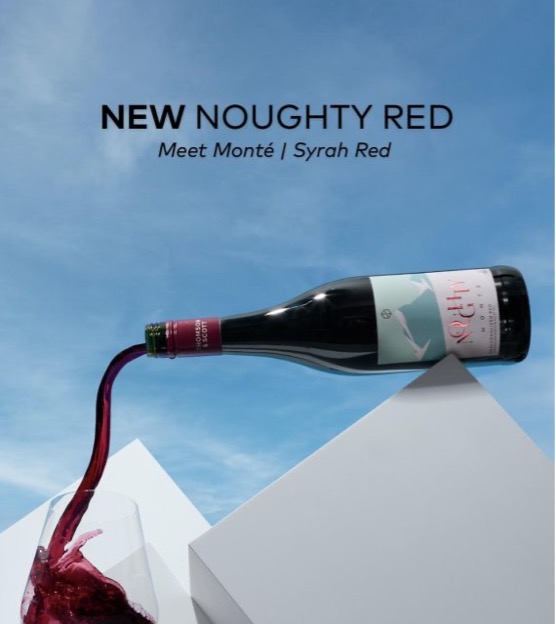 Noughty has released a de-alcoholised Syrah from South Africa, produced using spinning cone technology and aged in French oak, delivering uncommon depth for an alcohol-free red.
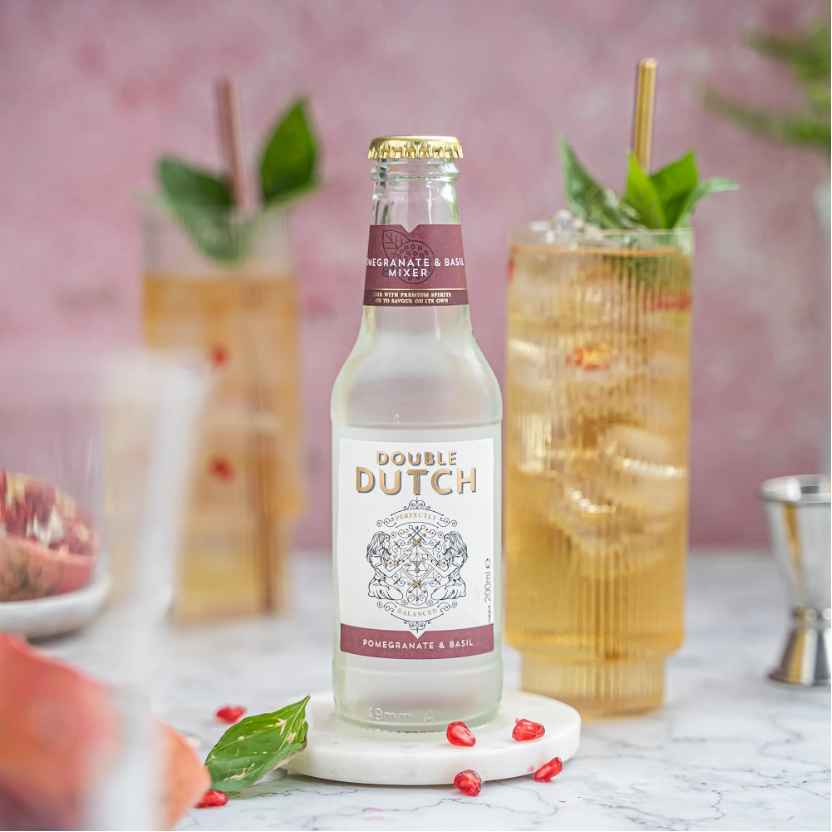 Double Dutch, founded by twins Joyce and Raissa de Haas, uses molecular gastronomy techniques to create mixers that enhance flavour rather than simply dilute spirits.
2. The rise of functional beverages
Alongside NOLO, functional beverages are emerging as the industry’s next frontier. Mintel reports that 60% of drinkers consume alcohol primarily to relax, while NIQ finds that 76% of UK drinkers are open to functional alternatives.
These products do not aim to taste like alcohol. Instead, they replicate the effects associated with drinking—relaxation, sociability, mood elevation—using ingredients such as ashwagandha, ginseng, reishi and L-theanine.
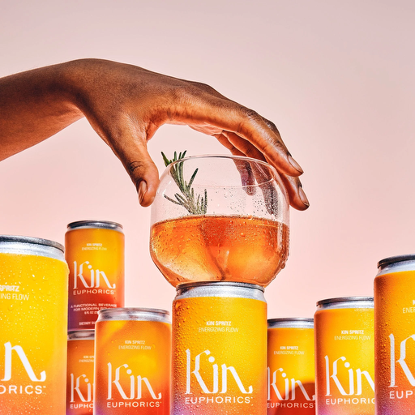
Kin Euphorics exemplifies this approach, drawing on Ayurvedic principles to create blends designed to influence emotional and mental states, offering “no alcohol, but a sense of occasion.”
3. Less Volume, More Value
According to IWSR, younger consumers are shifting towards lower volumes and higher value, prioritising quality, novelty and experience over quantity.
“Moderation is not only optimal for health and calories, but also for pleasure—it allows us to maximise enjoyment from a glass of wine.”
—— Pierre Chandon, Professor of Marketing at INSEAD
Smaller formats, tasting packs and mini bottles enable exploration without excess. As a Heineken executive observed, consumers may drink less, but they increasingly prefer to stick with premium brands for taste and social value rather than trade down.
4. Redefining the role of brands
The final shift is narrative. 43% of Gen Z consumers favour brands that align with sober-curious values—brands that offer responsible choices rather than simply encouraging consumption. Sustainability, climate action and transparency are also decisive factors for this generation.
As one industry expert summarised: “The next phase of growth will belong to brands that curate alternatives and tell stronger, more relevant stories.”
Looking Ahead: The Post-Alcohol Era
Sober Curious is not a threat—it is a value-expanding opportunity.
As consumers move fluidly between alcoholic and non-alcoholic options, moderation is becoming a mainstream attitude rather than a fringe choice. The familiar drinks landscape is being quietly restructured.
In this emerging era, the brands that succeed will not be those that push consumption, but those that design complete drinking experiences—offering precise solutions for mood, health and occasion.
The destination remains uncertain, but the direction is clear: those who can curate more intentional, healthier and emotionally resonant experiences will help define the future rules of the drinks industry.
Shen Pao, 309 Hankou Road, SHANGHAI 200001, CHINA
+86 (021)63600188
winwsa@indigoasie.com