2020 官网升级中!现在您访问官网的浏览器设备分辨率宽度低于1280px请使用高分辨率宽度访问。

Latest News
The 2026 northern hemisphere harvest is rewriting the vintage calendar. Champagne began picking on August 15, breaking the 2020 record. Burgundy commenced on August 13, surpassing a benchmark that had stood for nearly five centuries. Bordeaux’s white grapes were in bins by August 11, and California’s Santa Barbara saw some vineyards harvest sparkling base fruit as early as June 30. This synchronized advance is no anomaly—it signals a climate system lurching from stability toward extremes. The heat of 2026 and the devastating wet of 2024’s Jura vintage, where yields plunged 71% after frost and downy mildew, are two sides of the same coin.
France Under Pressure
Burgundy in 2026 reveals the complexity beneath the headline. Crémant and some Grand Cru sites advanced dramatically, yet other still wine parcels showed delayed maturity—heat and drought had checked vine growth, producing contradictory rhythms across the same appellation. At the Mâconnais cooperative Cave de Lugny, Crémant picking began August 8, surpassing the 2022 record. Domaine Leflaive opened its Montrachet Grand Cru on August 13, breaking a record that had stood since 1556. Paul Carillon of Domaine Carillon in Puligny-Montrachet, harvesting August 20, noted that while heat accelerated ripening, careful canopy management protected the fruit—quality looked “rather good” despite yields slightly below average.
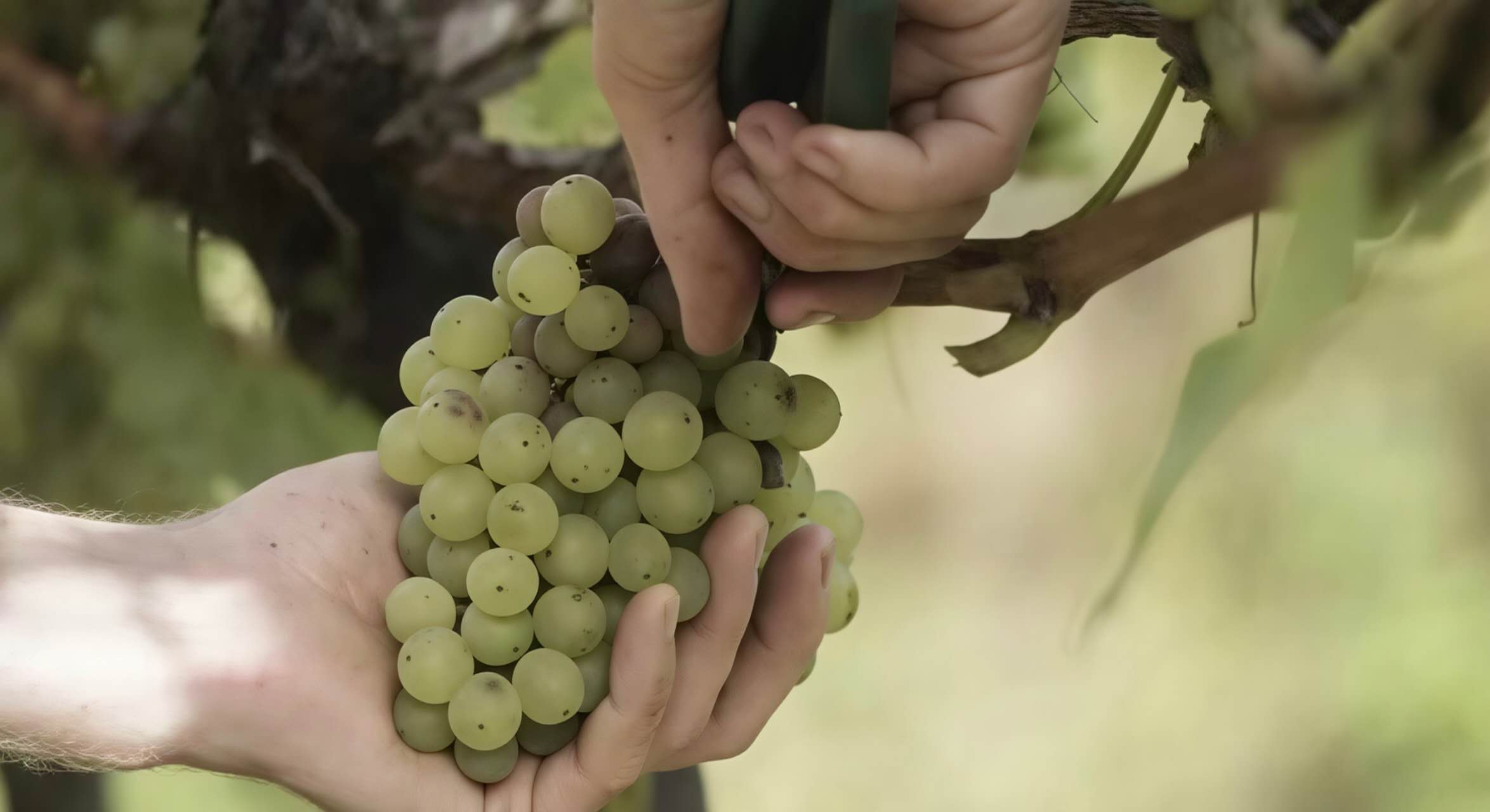
Across France, the stress is pervasive. Champagne, Alsace, and Jura are now harvesting an average 24 days earlier than in the 1970s. The Comité Champagne set the 2026 harvest window from August 8 to 22, with some Aube parcels beginning August 6. Languedoc producers planned late July starts. In Bordeaux, harvest is expected mid-August, well ahead of the historical September norm, with estimates pointing to yield reductions of 20% or more. A wildfire in Gironde burned an area four times the size of Paris, forcing some 220,000 evacuations—and smoke raised secondary concerns about taint. The Union des Grands Crus de Bordeaux reassured that no vines had been directly affected. Overall losses across Champagne, Alsace, and Jura are estimated between 25% and 50% due to heat and drought.
Acid Loss, Disease, and Adaptation Elsewhere
Early ripening does not guarantee balanced maturity. In Santa Barbara, James Sparks observed that bud break occurred as early as February—well ahead of the typical March—but the growing season merely shifted forward rather than accelerating. Of greater concern is the shrinking diurnal temperature range: where 35-40°F diurnal swings were once typical, it is now often just 20°F, meaning “as sugar rises, acidity is lost faster”. Low-intervention winemakers face the prospect of acidification. In Paso Robles, Aaron Jackson called 2026 the worst year for powdery mildew he had ever seen, with warm winters denying vines adequate dormancy and spring winds suppressing growth, contributing to low yields.
The British Anomaly
Across the Channel, the picture differs. The UK recorded its driest July on record, yet Wine GB remains optimistic. Vineyards continue to expand—registered sites reached 1,158, a 4.3% increase, with Chardonnay and Pinot Noir covering 33% and 30% of plantings. Sparkling producers Nyetimber, Ridgeview, Chapel Down, and Gusbourne are gaining global recognition, with sales nearly tripling in five years. Nyetimber expects picking to begin in mid-September—early by its standards, but later than France—with quality prospects high despite 30% frost damage in May. The warmer climate is also transforming style: the famously sharp acidity of English sparkling wine is softening, yielding more rounded, fruit-driven profiles. Tim Spakouskas of Heart Vineyard in Yorkshire reported vines “loaded with fruit” and quality comparable to the record 2025 vintage.

The Industry Adapts
The industry is moving from passive response to active adaptation. Night harvesting has become a global standard. Canopy management is more precise: Freestone Vineyards’ Justin Ennis reduces leaf removal facing the sun and installs cross-arms for airflow; Oregon’s REX HILL, led by Michael Davies, hedges canopies lower to cut down leaf mass and slow rushed ripening. Twenty years ago, two tons per acre was the quality benchmark for Pinot Noir; today, 2.5 to 3 tons is widely accepted as it moderates vine stress.
More profound is the rethinking of varieties and terroir hierarchies. Stefano Gagliardo of Barolo’s Poderi Gianni Gagliardo observes that climate change is rewriting appellation prestige and variety rankings—Barolo, once defined by tannins requiring decades to soften, now offers earlier accessibility, while once-exalted vineyards may no longer be the most compelling. While 2026 may not spell quality disaster, its abrupt extremes force a central question: can an industry rooted in tradition reinvent itself fast enough for a climate where old certainties no longer apply? As Jessica Gasca of Story of Soil puts it, “Change is inevitable—and that’s the beauty of farming, and why every bottle tells a unique story of time and place.”
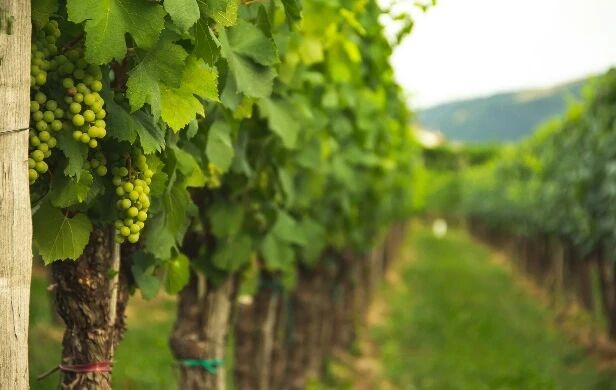
WINWSA remains committed to providing professional insight into the global wine industry’s evolving landscape. For further coverage and analysis, please stay tuned to our platform.
Data Sources:
The Drinks Business|Vinetur.com
Information References:
China Grape Bureau Information Network|Blue News|Vinetur.com|inews.co.uk
Shen Pao, 309 Hankou Road, SHANGHAI 200001, CHINA
+86 (021)63600188
winwsa@indigoasie.com